
Menu
 1.866.668.5111
  6:30 am - 6:00 pm
 Give a Happy High Five!

February 10, 2026
Why Professional Development Matters in Early Childhood Education
Bridget Wolff, Director of Learning & Development, NYS T-TAP Professional Development Specialist, Early Childhood
“Develop a passion for learning. If you do, you will never cease to grow.” -Anthony J. D’Angelo
When I think back to the educator I was when I first entered the early childhood field, I’m often surprised by how much I’ve grown. Not only do I find myself wondering, How have ten years gone by so quickly?!, but I also reflect on the growth that goes far beyond time or age. The kind that’s shaped by experience, reflection, and most importantly, meaningful training and professional development opportunities.
Almost eleven years ago, I began my career as a Teacher Assistant, later became a Lead Teacher, and eventually found my way into a leadership role. Looking back, I can confidently say that every step of my journey was shaped by the professional development opportunities I was presented with along the way. Each role built on the last, reinforcing the value of continuous learning and growth. Today, as Director of Learning and Development, I have the privilege of providing professional development opportunities to fellow educators – allowing me to give back to the field in the same way others once invested in me.
My experience is just one example of how professional development can shape an educator’s journey. So, if you’re wondering why professional development matters, what types of opportunities are available, and how to take an active role in your own growth – then this blog is for you!
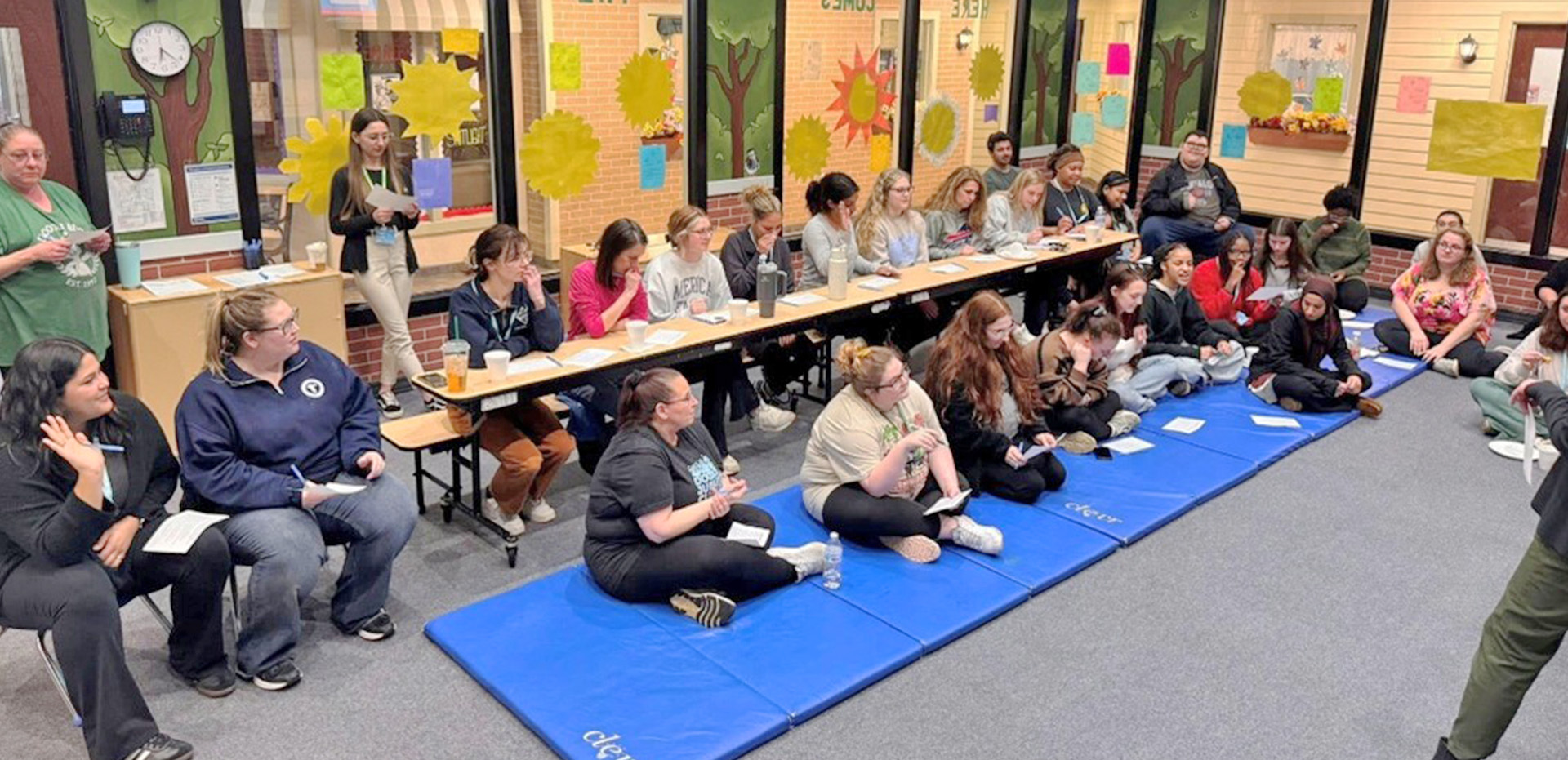
 Why Professional Development Matters
Early childhood education is a field that never stands still. New research continues to emerge, best practices evolve, and greater emphasis is placed on areas like social-emotional learning, technology, early literacy, and STEM. With so much change, it’s essential that educators stay informed, adaptable, and supported in their ongoing learning.
But professional development isn’t just about keeping up with requirements or trends. It’s also about personal growth – something I’ve experienced firsthand. At each stage of my career, whether I was in the classroom or stepping into leadership, professional development helped me gain confidence, add more “tools in my toolbox”, and discover new possibilities for my future.
When educators are supported in their growth, the impact reaches far beyond the individual. Confident, well-prepared teachers are better equipped to provide high-quality care and meaningful learning experiences for children. Families benefit from this consistency and quality, feeling secure knowing their child is in a supportive, well-managed environment. Programs benefit as well, as ongoing professional development strengthens center culture, supports staff retention, and elevates overall program quality.
Simply put, professional development creates a true trickle-down effect – benefiting educators, children, families, and the organization as a whole.
Types of Professional Development
While some professional development is required to meet licensing regulations, other opportunities are designed to strengthen day-to-day practices and skills in the classroom. These opportunities allow teachers to immediately apply what they’ve learned in meaningful ways that positively impact children. Examples include:
- Classroom organization and learning environments
- Health and safety practices
- Schedules, routines, and transitions
- Child observation and assessment
- Curriculum implementation
- Child development and brain science
However, professional development also plays a critical role in supporting long-term growth and career advancement within the early childhood field. These opportunities help educators build transferable skills and explore pathways beyond their current role. Examples include:
- Leadership and mentorship training
- Peer communication and teamwork
- Problem-solving and time management
- Parent communication and professionalism
- Mindfulness and self-care
When educators are supported in pursuing these opportunities, they are more likely to remain engaged, motivated, and invested in their work and professional growth.
Methods of Delivery
Professional development in early childhood takes many forms, each serving a unique and important purpose. It may be delivered formally or informally and can occur in a variety of settings, including:
- In-person or virtual training
- Webinars, Online Courses, & e-Learning platforms – NAEYC, Early Childhood Investigations, Teaching Strategies, and Zero to Three are a few sites that offer valuable online training and webinars based on your needs and interests.
- Conferences and workshops
- College coursework or certifications
- Online or printed professional publications (articles, blogs, books) – Conscious Discipline, WNY Behavior Toolbox, NAEYC, and even our own Doodle Bugs! blog articles are great places to explore valid, high-quality early childhood resources.
- Mentoring, coaching, observations, and on-the-job training
- Podcasts and Vodcasts – The “Good Inside with Dr. Becky” podcast offers great insight for educators on handling tough situations, building connections, and developing resilience in young children.
- Email Subscriptions – I love receiving emails from Prerna Richards at Together We Grow, which are filled with helpful tips & tricks. Plus, her website includes tons of free, valuable resources!
 Professional Development at Doodle Bugs!
At Doodle Bugs!, we are committed to providing team members with meaningful, ongoing professional development opportunities. In fact, “Participate in learning and development opportunities” is one of the core values that make up the “Doodle Bugs! Way”.
We understand that professional development looks different for everyone. For some educators, it may be learning and implementing a new classroom management strategy. For others, it may involve earning a credential or stepping into a leadership role. At Doodle Bugs!, we meet our team members where they are and support them at every stage of their professional journey.
We offer a variety of professional development opportunities, including:
- New Hire Training and Onboarding: In addition to state-required training, all new team members participate in an in-house training program designed to introduce Doodle Bugs! policies, procedures, and expectations. This program features videos of real Doodle Bugs! teachers, classrooms, and opportunities for hands-on classroom experience and application, helping new staff feel confident, prepared, and supported from day one.
- Ongoing Training and Continued Learning: Professional development doesn’t stop after new hire orientation. Team members have access to ongoing learning opportunities throughout the year, including online courses and in-person training sessions based on individual needs and interests.
- Annual Staff Development Day: Each year, on the Friday before the academic school year begins, our centers close to families for a dedicated Staff Development Day. This day is focused entirely on our hardworking teachers and staff and includes professional development sessions, classrooms preparation time, and team-building activities.
- Faculty Meetings: Held as needed, faculty meetings bring staff together around shared goals, collaboration, reflection, and program improvement.
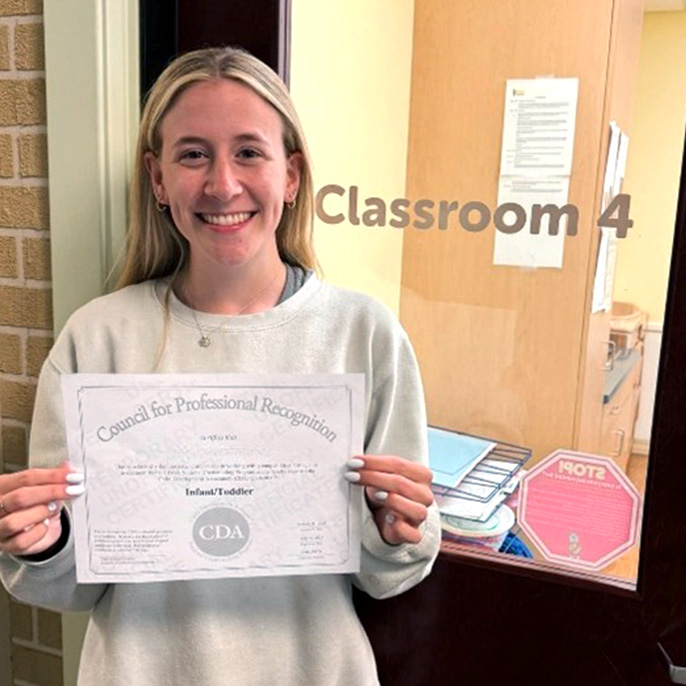
- Child Development Associate (CDA) Credential: Doodle Bugs! proudly offers free CDA coursework through Procare Professional Development. The CDA is a nationally recognized credential that demonstrates excellence in early childhood education for children from birth through age five.
- Career Pathways and Advancement: At Doodle Bugs!, there’s always room to grow. Team members can advance from Teacher Assistant to Lead Teacher, move into Center Management, or explore opportunities within our Home Office team. These career pathways are often accompanied by increased pay, benefits, and childcare discounts.
- On-Site Support: Coaching, mentoring, and on-site support are naturally built into our daily operations. Center Directors regularly communicate with staff about professional goals and advancement opportunities, ensuring educators feel supported and encouraged throughout their careers.
Taking the Next Step
With so many opportunities available, it can feel overwhelming to know where to start – and that’s okay! Early in my career, I didn’t always know what the next step would be. But each time I invested in my growth – whether through an online course, learning a new skill from a colleague, or attending a faculty meeting – I found that staying open to learning often led me exactly where I needed to be. It’s important to remember that growth doesn’t happen overnight.
If you’re interested in investing in professional development, here’s what I suggest:
- Reflect on your goals: Take time to think about your personal and professional goals. Consider where you are now, where you’d like to grow, and what skills or experiences might help you get there.
- Create a plan and ask questions: Identify what steps are needed to reach your goals. Do your research, ask questions, and seek feedback from colleagues or leaders who can offer guidance and insight.
- Take advantage of available opportunities: Explore the training and professional development opportunities available to you. Touch base with your center director or supervisor – they can help you identify options, answer questions, and point you in the right direction.
- Apply what you learn and embrace the process: Put new knowledge into practice, even if it feels uncomfortable at first. Growth often comes from trial and error, and learning from challenges is just as valuable as learning from success!
- Stay curious and keep learning: No matter how long you’ve worked in the field or how much experience you have, there is always more to learn. Stay open, ask questions, and embrace continuous learning as part of your professional journey.
Conclusion
To sum it up, professional development isn’t just an investment in skills or credentials; it’s an investment in yourself. And when organizations choose to invest in professional development, they’re investing in their people – supporting educators’ confidence, growth, and long-term success, while strengthening the care and learning experiences provided to children every day.
If you’re interested in being part of a program that values learning, supports professional growth, and empowers educators to succeed, I encourage you to explore career opportunities at Doodle Bugs! and apply today!


