
Menu
 1.866.668.5111
  6:30 am - 6:00 pm
 Give a Happy High Five!

May 13, 2026
What is Play-Based Learning?
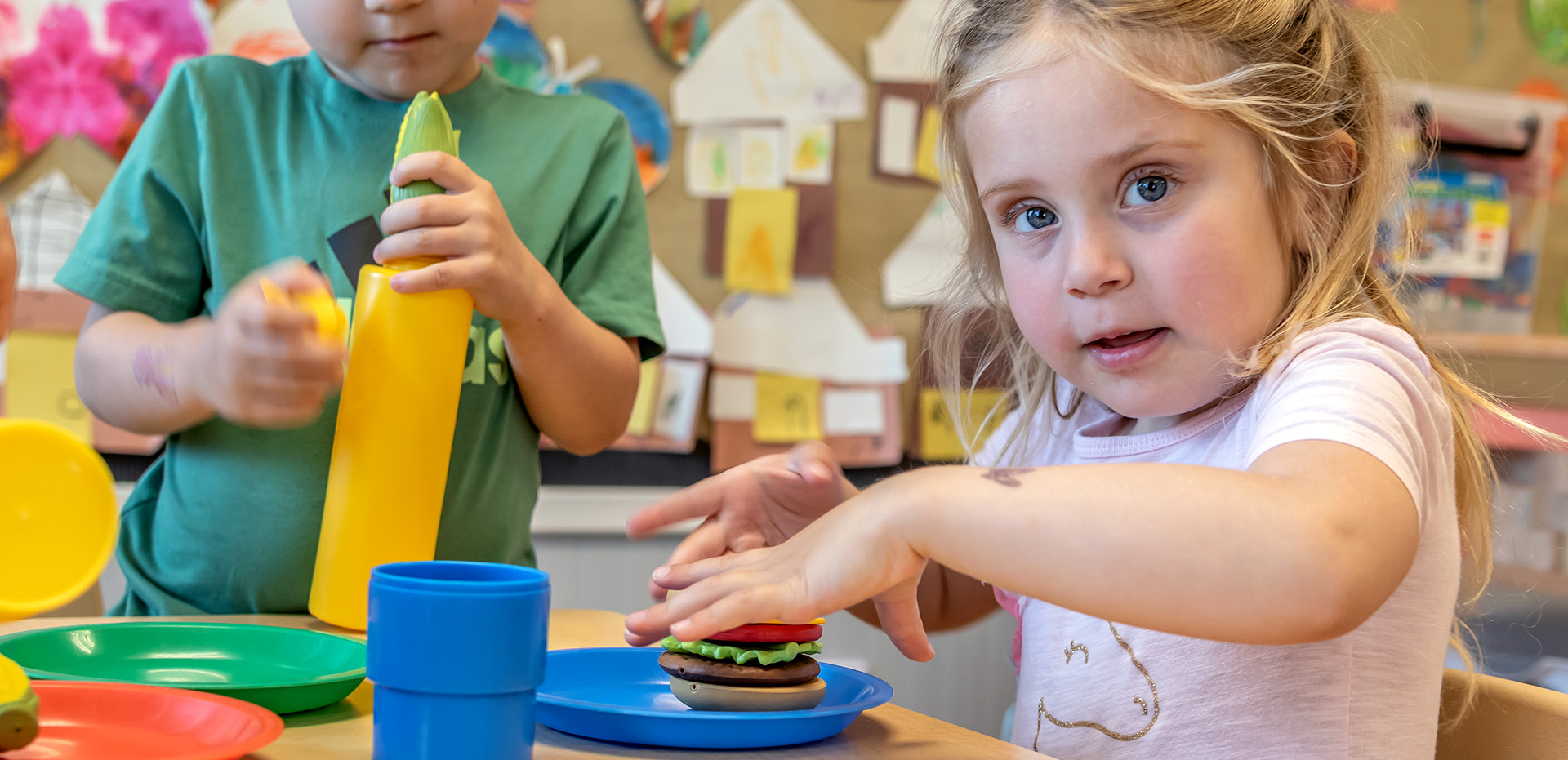
At Doodle Bugs!, we believe children are always learning—and that learning is most meaningful when it happens through play.
Play-based learning is more than fun and games; it’s an intentional approach that honors children as capable, curious explorers and thoughtfully designs environments that invite discovery. In the process, children naturally develop essential skills like problem-solving, communication, cooperation, and creativity.
Our exclusive BRAVO! lesson plans are inspired by the Reggio Emilia approach, offering engaging, thoughtfully prepared environments alongside enriching, theme-based experiences. As interactions between children, teachers, and the environment evolve, discoveries are made, ideas are shared, and deep, meaningful learning takes root.
Here’s how play-based learning comes to life:
1. Follow the Child’s Lead
Children are naturally curious. Whether they’re building with blocks, painting at the easel or engaging in dramatic play, their interests guide the experience. Teachers observe and gently guide, helping extend learning in meaningful ways.
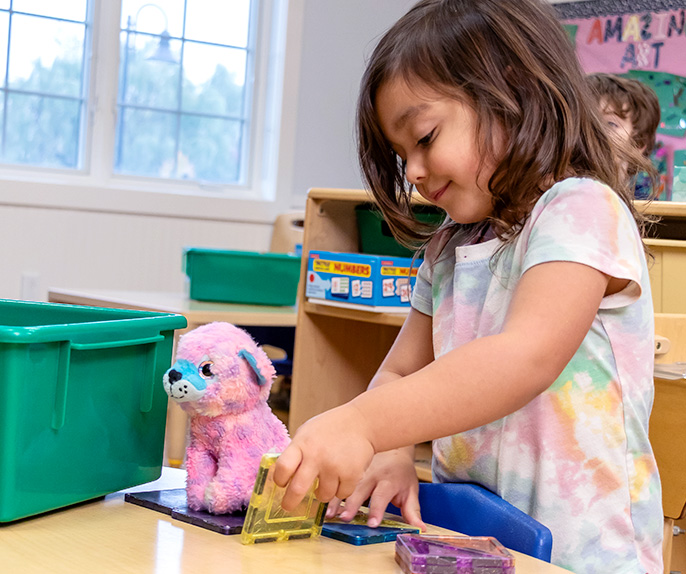 2. Create Engaging Learning Spaces
From tabletop activities to cozy reading corners and imaginative play areas, the environment plays a big role. Thoughtfully designed spaces invite children to explore, experiment and discover at their own pace.
3. Blend Guidance with Exploration
Our teachers provide a supportive framework while allowing children the freedom to learn in ways that feel natural to them. This balance helps children feel confident while developing independence and critical thinking skills.
4. Encourage Social Interaction
Play is often shared, giving children opportunities to practice turn-taking, cooperation and communication. Whether working together on a puzzle or role-playing with friends, these moments build strong social foundations.
5. Embrace Creativity
There’s no single “right way” to play. Children express themselves through art, movement, storytelling and more. This freedom nurtures creativity and helps children develop their unique voice.
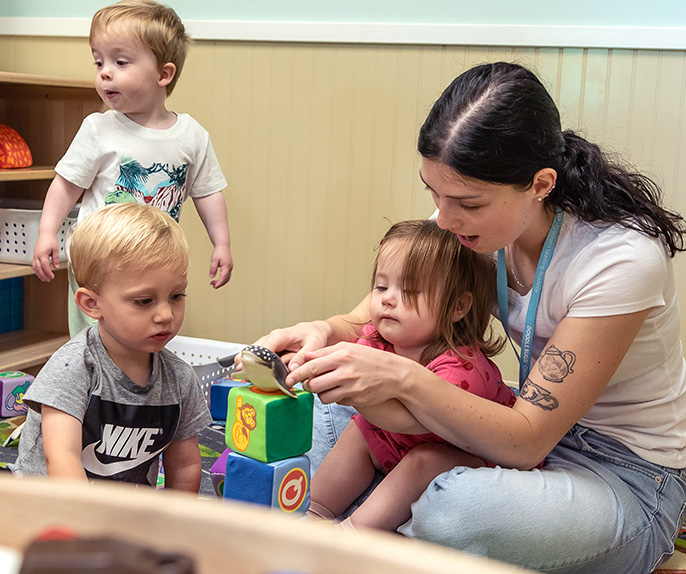 6. Meet Children Where They Are
Every child learns differently. Play-based learning allows teachers to adapt experiences based on each child’s interests, strengths and developmental stage. Whether on the floor, in the block center or at the art table!
7. Celebrate the Learning Process
In play-based learning, the focus is on exploration rather than perfection. Celebrating small discoveries and new attempts encourages children to keep trying, learning and growing.
By embracing play-based learning, we create an environment where children feel empowered to explore, create and connect. It’s how we nurture a lifelong love of learning, one playful moment at a time!


