Menu
 1.866.668.5111
  6:30 am - 6:00 pm
 Give a Happy High Five!

April 7, 2026
The Role Nutrition Plays in Your Child’s Learning, Behavior, and Development

Hannah Luchey, Marketing Coordinator
As a toddler parent, I know firsthand how tempting it is to rely on quick, grab-and-go snacks. On busy days, it is much easier to toss a packaged snack into the bag and head out the door. But through trial and error, I’ve learned that convenience doesn’t always support how my child feels or functions throughout the day. Taking a little extra time to prep healthier options isn’t always easy, especially when time feels limited, but I’ve noticed a real difference in his energy, mood, and focus when we prioritize more well-rounded choices. Those small decisions each morning feel like an investment in how successful his day will be.
In early childhood, nutrition fuels not just physical development, but also brain function, emotional regulation, attention span, sleep quality, and immune health. While lunchboxes filled with quick items like toaster pastries, fruit snacks, or juice drinks may seem convenient, these types of highly processed, sugar-dense foods can actually make it more difficult for children to function at their best throughout the day.
How Nutrition Supports Young Children’s Growth and Development
Young children’s bodies and brains are developing rapidly, which means consistent, wholesome nutrition plays an important role in helping them feel and function at their best each day. The foods children eat provide the fuel needed not only for physical growth, but also for learning, emotional regulation, sleep, and overall wellness.
When children receive a variety of nutrient-rich foods – including proteins, healthy fats, complex carbohydrates, fiber, vitamins, and minerals – they are better supported in many areas of development. Balanced meals and snacks help provide:
- Steady energy throughout the day, helping children stay engaged in play and learning without frequent energy crashes.
- Improved focus and attention, as stable blood sugar levels support concentration and participation.
- Stronger emotional regulation, allowing children to manage big feelings more easily when their bodies are consistently fueled.
- Healthier sleep patterns, supported by balanced meals that work with the body’s natural rhythms.
- A stronger immune system, thanks to essential nutrients like vitamin c, zinc, iron, and protein that help the body fight illness and recover more quickly.
- Healthy physical and cognitive development, including brain connection growth as well as strong muscles and bones.
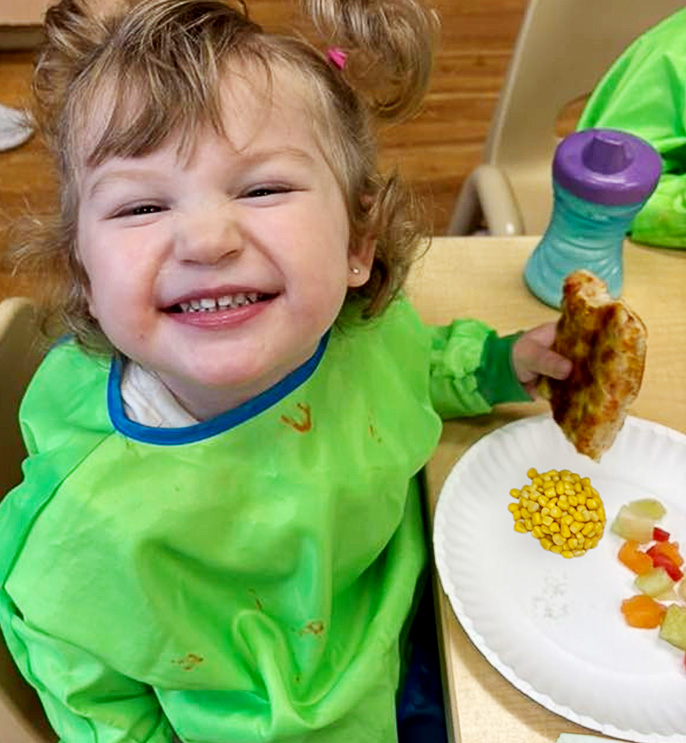 Examples of simple, minimally processed ingredients to look for include:
- Fresh fruits and vegetables
- Whole grains such as oats, brown rice, or whole wheat bread
- Eggs
- Yogurt
- Cheese
- Beans
- Nut or seed butters
- Chicken or turkey
- Homemade muffins or baked goods made with whole ingredients
Lunch and Snack Ideas
If you’re looking for alternatives to heavily processed convenience foods, here are some simple lunchbox-friendly options made with everyday ingredients:
Lunches
- Roasted turkey and cheese roll-ups with whole grain pita
- Chicken salad made with yogurt
- Whole grain pasta with olive oil and roasted vegetables
- Rice and black beans
- Egg salad sandwich on whole wheat bread
Snacks
- Apple slices with nut butter
- Yogurt with fresh berries and honey
- Cheese cubes with whole grain crackers
- Banana oat energy bites
- Cucumber slices and hummus
- Homemade nut-free trail mix
Picky Eater Ideas
Having a picky eater at home can make healthy eating feel even more challenging. The goal isn’t perfection – it is finding balance and creating positive experiences with food over time. Small changes and creative approaches can help children feel more comfortable trying something new. Here are a few ideas to encourage adventurous eating:
- Smoothies are an easy way to pack fruits, vegetables, and protein into one familiar, child-friendly drink.
- Make food fun! Use cookie cutters to create fun shapes with sandwiches, fruits, or vegetables. Sometimes presentation alone can spark curiosity.
- Freeze-dried fruits offer many of the same nutrients as fresh fruit, are often made with just one ingredient, and provide a naturally sweet and crunchy texture that children enjoy.
- Invite them into the kitchen. When children help prepare meals or snacks, they feel more invested and are often more willing to taste what they helped make.
 How the Doodle Bugs! Menu Supports Student Success
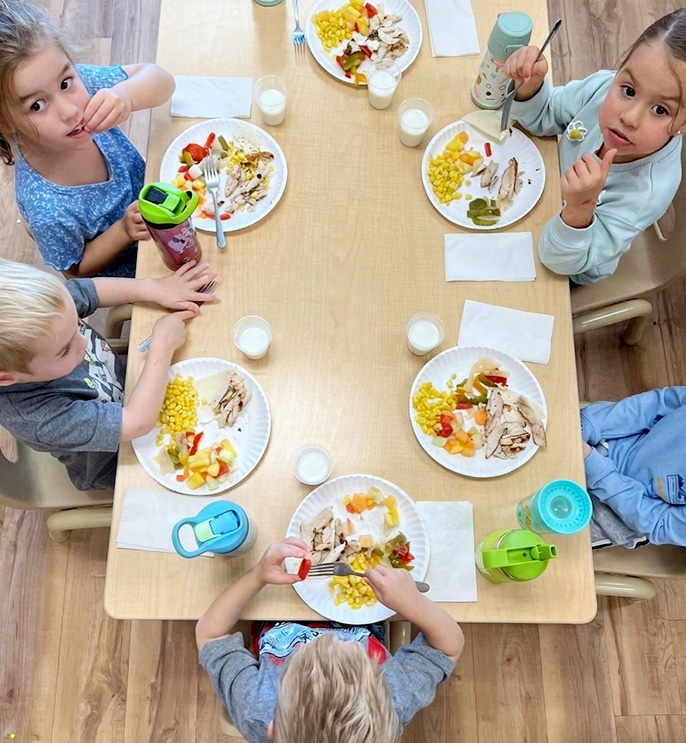
Our menu at Doodle Bugs! – developed by a licensed nutritionist – is designed to give children the nutrients they need to feel energized, focused, and ready to learn. Our meals and snacks prioritize whole grains, lean proteins, fresh fruits and vegetables, and a healthy balance of carbohydrates, fats, and protein. By offering consistent, nourishing meals throughout the day, we help support children’s physical growth, cognitive development, and emotional well-being – setting them up for success both inside and outside the classroom!
Check out our Doodle Bugs! menu to see the balanced, nutritious meals we provide each day.
Sources
Nutrition for Kids: Guidelines for a healthy diet